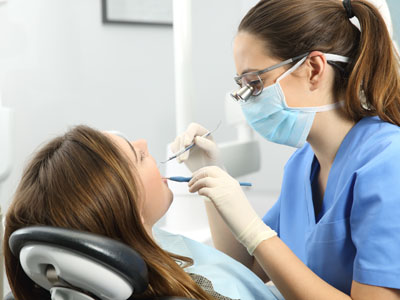
Keeping your smile healthy starts with what you do at home, but professional dental cleanings play a crucial role in maintaining lasting oral health. Even the most conscientious brushers and flossers can miss areas where plaque and tartar collect — spots that provide a foothold for cavities and gum disease. Regular, thorough cleanings remove those buildups, let your hygienist spot early concerns, and give you practical guidance to protect your teeth between visits.
Daily brushing and flossing remove a lot of surface plaque, but microscopic bacterial films build up in places a brush or floss may not fully reach. Over time, that film hardens into tartar (also called calculus), which bonds to tooth surfaces and can only be removed by a trained hygienist with appropriate instruments. Removing these deposits reduces the bacterial load in your mouth and helps keep gum tissue healthy.
In addition to scraping away hardened deposits, a professional cleaning includes careful inspection of the teeth and soft tissues. This examination allows the dental team to detect early signs of decay, gum inflammation, and other changes that might be easy to miss at home. Early detection often means simpler, less invasive care later on.
For most adults, visiting for a cleaning every six months offers a good balance between prevention and monitoring. That schedule can change based on your individual needs — for example, patients with a history of gum disease or certain medical conditions may benefit from more frequent visits. Your hygienist will recommend the interval that best supports your long-term oral health.
Plaque and tartar are more than local nuisances: they invite inflammation in the gum tissue, which can lead to gingivitis and, if untreated, periodontitis. Professional cleanings remove the irritants that trigger that inflammation and help the gums reattach to the teeth where appropriate. Stopping gum disease in its early stages preserves bone and soft tissue and prevents the more serious consequences of advanced periodontal disease.
Beyond the mouth, ongoing inflammation in periodontal tissues has been associated with effects elsewhere in the body. While the relationship between oral and systemic health is complex, maintaining healthy gums is an important part of an overall wellness plan. Your dental care team considers your full health history when advising on preventive measures and follow-up care.
Cleanings also help control cavities by removing plaque from pits, grooves, and between teeth where decay often begins. When plaque is reduced, fluoride treatments and other preventive strategies are more effective at strengthening enamel and lowering the chance of new decay forming.
A typical cleaning appointment follows a clear sequence designed for comfort and efficiency. First, the hygienist reviews your medical and dental history and asks about any symptoms such as sensitivity or bleeding gums. Then they perform an exam of your teeth and gums, sometimes taking x-rays if needed to get a more complete picture of what’s happening beneath the surface.
Next comes the actual cleaning, using a combination of gentle hand instruments and an ultrasonic scaler. Hand tools let the hygienist remove stubborn deposits in tight spots, while the ultrasonic scaler uses rapid vibrations plus a water stream to break up tartar and flush away debris. Many clinicians use both tools together to ensure a thorough result with minimal discomfort.
After scaling, your hygienist polishes the teeth to remove surface staining and to smooth the enamel. Depending on your needs, they may finish with targeted fluoride or a topical agent to help reduce sensitivity. If you experience anxiety or sensitivity during the procedure, the team can offer options — such as topical anesthetic — to make the visit more comfortable.
A professional cleaning gives you a fresh starting point, but maintaining that momentum at home makes the biggest difference. Brushing twice daily with a soft-bristle brush and fluoride toothpaste removes plaque from accessible surfaces, while daily interdental cleaning — whether floss, interdental brushes, or water flossers — clears the tight spaces where most problems begin. Your hygienist can demonstrate techniques tailored to your mouth and any appliances you may have.
Diet and lifestyle choices also matter: limiting frequent sugary snacks and acidic beverages helps protect enamel, and avoiding tobacco supports gum health and healing. Hydration and chewing sugar-free gum after meals can boost natural saliva flow, which helps neutralize acids and wash away food particles.
Finally, stick to the appointment rhythm recommended by your dental team. If your care plan includes more frequent cleanings or adjunctive treatments such as sealants or periodontal maintenance, those visits are designed around your unique risk factors and long-term goals.
Beyond health benefits, a professional cleaning restores the brightness and smooth feel of your teeth, removing surface stains from coffee, tea, and everyday foods. That polished finish can be an immediate confidence boost and makes it easier to maintain a clean, attractive smile at home. Your hygienist can also offer realistic guidance about cosmetic options if you’re seeking a more dramatic change.
Cleanings are an excellent opportunity for education and personalized tips. At Jolly Family Dental - Benton, our team spends time explaining practical habits and adjustments you can make to protect enamel, reduce sensitivity, and support gum stability. Small changes in technique or tools can make a noticeable difference over time.
Regular professional care is a cornerstone of preventive dentistry: it keeps small problems small, supports comfort when eating and speaking, and helps you enjoy a healthy smile into the future. Partnering with your dental team gives you the best chance of preserving both function and appearance.
In summary, routine dental cleanings remove deposits you can’t manage at home, reduce disease risk, and give your dental team a chance to monitor and guide your oral health. If you’d like to learn more about how cleanings fit into a personalized prevention plan, please contact us for more information.


At the start of a professional cleaning the hygienist reviews your medical and dental history and asks about any symptoms such as sensitivity or bleeding gums. They perform a careful exam of your teeth and soft tissues and may take x-rays when needed to assess areas below the surface. The clinical cleaning typically includes scaling to remove plaque and tartar, followed by polishing to smooth enamel and reduce surface staining.
Many clinicians use a combination of ultrasonic scalers and hand instruments to ensure deposits are removed thoroughly and comfortably. The appointment may conclude with a targeted fluoride or topical treatment to strengthen enamel and reduce sensitivity. If you have anxiety or special comfort needs, the team can offer options to help you relax during the procedure.
Daily brushing and interdental cleaning remove much of the plaque that accumulates on accessible surfaces, but microscopic bacterial films can persist in hard-to-reach places. Over time those films mineralize into tartar, which bonds to tooth surfaces and cannot be removed with home care alone. Professional cleanings remove these hardened deposits and reduce the overall bacterial load in the mouth.
Cleanings also give the hygienist an opportunity to detect early signs of decay, gum inflammation, or other changes that are easy to miss at home. Early detection often allows for simpler, less invasive treatment later on. Regular professional care complements good home habits and helps preserve long-term oral health.
For most adults a six-month interval provides a good balance between prevention and ongoing monitoring, and it is the schedule many dental teams recommend. That frequency can change based on individual risk factors such as a history of periodontal disease, heavy tartar buildup, medical conditions, or medications that affect oral health. Your hygienist will assess your risk and recommend an interval that best supports your long-term needs.
If you have active gum disease or other risk factors, your care plan may call for more frequent visits or periodontal maintenance. The goal is to keep disease under control while minimizing the need for more invasive procedures. Regular recall visits also offer ongoing education and reinforcement of home-care techniques.
Most patients find routine cleanings to be well tolerated, and modern instruments are designed to balance effectiveness with patient comfort. Ultrasonic scalers and gentle hand instruments remove deposits efficiently, and polishing is usually painless. If you experience sensitivity or anxiety, the dental team can use topical anesthetic or other comfort measures to help reduce discomfort.
Communicating openly about past experiences, current sensitivity, or fear allows the hygienist to tailor the approach to your needs. Short breaks during the appointment and explanation of each step can make the process feel less stressful. The practice aims to create a calm, respectful environment so your cleaning is as comfortable as possible.
Professional cleanings remove plaque and tartar that trigger inflammation in the gum tissue, which is a primary factor in gingivitis and periodontitis. By eliminating those irritants, cleanings help the gums heal and may allow tissue to reattach where appropriate. Stopping inflammation early preserves bone and soft tissue and lowers the risk of progression to advanced periodontal disease.
Cleanings are most effective when combined with consistent home care and regular monitoring, because periodontal health depends on ongoing control of bacterial biofilm. If signs of gum disease are present, the dental team will recommend supplemental care such as more frequent maintenance visits or specialized periodontal therapy. Early intervention improves outcomes and helps maintain long-term oral function.
Hygienists commonly use ultrasonic scalers and manual hand instruments together to remove tartar and disrupt biofilm. Ultrasonic devices vibrate to break up deposits and flush debris with a water stream, while hand tools allow precise removal in tight spaces and along the gumline. Polishing pastes and rubber cups smooth enamel to remove surface stains and make plaque less likely to adhere.
Additional adjuncts may include targeted fluoride applications, desensitizing agents, or antimicrobial rinses when clinically indicated. The hygienist selects tools and techniques based on your oral condition, sensitivity, and any appliances you may have. Sterile procedures and up-to-date infection control practices protect patient safety throughout the visit.
Good at-home care starts with brushing twice daily using a soft-bristle brush and fluoride toothpaste to remove plaque from accessible surfaces. Daily interdental cleaning with floss, interdental brushes, or a water flosser addresses the tight spaces where most decay and gum issues begin. Your hygienist can demonstrate techniques and recommend tools that suit your specific mouth and any restorations or appliances you have.
Diet and lifestyle habits also influence how long cleaning results last: limiting sugary snacks and acidic drinks reduces enamel attack, and avoiding tobacco supports healing and gum health. Staying hydrated and chewing sugar-free gum after meals can stimulate saliva, which helps neutralize acids and clear food debris. Following the appointment schedule recommended by your dental team completes the preventive strategy.
Certain medical conditions, medications, and implants require tailored cleaning approaches and closer coordination with your healthcare providers. Conditions such as diabetes, heart disease, or immune disorders can affect oral tissues and may increase the need for more frequent monitoring or specific periodontal maintenance. If you have dental implants, the hygienist will use implant-safe instruments and techniques to protect implant surfaces and surrounding tissues.
It is important to share a complete medical history and any changes in your health at each visit so the team can adjust care safely. When needed, the dental team will consult with your physician or specialist to align treatment plans with your overall health needs. Personalized care protects both oral and systemic health over time.
Professional cleanings remove many surface stains caused by coffee, tea, tobacco, and everyday foods, restoring a brighter, smoother enamel surface. Polishing and stain removal provide an immediate cosmetic improvement and make at-home maintenance easier. For deeper intrinsic stains or desire for more dramatic whitening, your hygienist can discuss cosmetic options that complement routine cleanings.
Maintaining the polished finish at home helps prolong the visual benefits of a cleaning, and your hygienist can recommend products and habits to minimize future staining. If you are interested in whitening, the dental team will explain realistic expectations and safe methods that fit your oral health. A cleaning is often the first step before any elective cosmetic treatment.
A personalized cleaning plan begins with a comprehensive review of your dental and medical history, an oral exam, and risk assessment for decay and periodontal disease. Based on those findings the hygienist tailors the frequency of visits, the depth of debridement needed, and any adjunctive therapies such as fluoride, sealants, or antimicrobial treatments. This individualized approach helps address current issues and prevent future problems.
The team at Jolly Family Dental - Benton emphasizes patient education and collaboration when developing a plan, offering practical guidance on brushing, interdental cleaning, and lifestyle changes that support your goals. They will set measurable follow-up steps and adjust the plan as your oral health evolves. Regular communication and consistent care give you the best chance of preserving both function and appearance over the long term.

Have Questions or Need an Appointment?
We’re here to help! Whether you want to schedule a visit, ask about services, or just learn more about your dental care options, our team is ready to assist. Click below to contact us and take the next step toward a healthier, brighter smile.
We value every patient and strive to make reaching us easy and convenient. From answering your questions to guiding you through insurance and scheduling, our friendly staff is committed to providing a seamless experience. Let’s work together to keep your smile healthy and confident—get in touch today!