When a cavity or small fracture changes the shape or strength of a tooth, a well-placed filling does more than just fill a hole — it restores chewing function, preserves surrounding structure, and helps prevent further damage. A thoughtful approach to restorative care focuses on preserving as much healthy tooth as possible while making the repair durable and comfortable for everyday use.
Contemporary filling techniques blend clinical precision with attention to appearance. Materials and bonding methods available today allow restorations to match a tooth's natural contours and shade while reinforcing weakened areas. That combination of function and aesthetics means patients regain confidence in their smile without sacrificing long-term performance.
At Jolly Family Dental - Benton, we emphasize minimally invasive treatment and clear communication. Our goal is to diagnose problems early and recommend the most appropriate restoration for each situation, from small, conservative fillings to larger indirect restorations when necessary.
Choosing to repair a tooth early often prevents larger procedures later on. A filling placed promptly can stop decay from progressing, reduce the risk of infection, and preserve the natural tooth for as long as possible. The sooner a problem is addressed, the more options a clinician has to conserve tooth structure.
Modern restorations are engineered to resist wear and to work with the natural flex and temperature changes of the mouth. This reduces the chance of cracks or failures that used to be more common with older materials and techniques.

Attempts to mend damaged teeth are as old as dentistry itself. Early efforts were pragmatic and often rudimentary, but they represent an enduring desire to relieve pain and restore usefulness. Over centuries, materials and methods advanced from basic palliative approaches to scientifically engineered restorations.
The 19th and 20th centuries brought significant change: metal alloys and amalgam offered durability and affordability, while the late 20th century introduced resin-based, tooth-colored materials that responded directly to patients’ desire for discreet restorations. Each generation of materials has been shaped by improvements in chemistry, bonding science, and clinical techniques.
Today’s choices reflect both longevity and appearance. Where appropriate, clinicians select solutions that balance biocompatibility, strength, and aesthetic outcomes, giving patients restorations that integrate with their natural teeth and daily lives.
We approach every restoration with the intent to preserve healthy tooth structure. That means careful diagnosis, conservative preparation, and use of bonding systems that support remaining enamel and dentin. When a filling is the best option, we focus on creating a seamless transition between the restoration and the natural tooth.
Patient education is part of this philosophy. We explain why a particular material is recommended, what to expect during placement, and how to care for the restoration afterward. Informed patients are better equipped to make choices that suit their oral health goals.
Not all fillings are created equal. Size of the cavity, location in the mouth, bite forces, cosmetic concerns, and the condition of the remaining tooth all influence material selection. A tailored recommendation considers these factors so the final restoration performs well and looks natural.
For many situations, tooth-colored solutions provide an excellent combination of strength and esthetics. For other cases — particularly where heavy chewing forces exist — alternative materials may offer longer-term resilience. Your clinician will weigh the tradeoffs and present options with clear reasoning.
Composite resins are a blend of durable polymers and glass or ceramic fillers that can be shaded to match adjacent teeth. They bond directly to tooth surfaces, allowing for more conservative preparations and a tight seal that helps reduce microleakage. Composites are widely used for visible front teeth and small-to-moderate posterior restorations where appearance matters.
Though strong, composites are susceptible to surface wear and staining over many years; proper home care and periodic evaluation help maintain their appearance and function.
Amalgam remains a long-standing restorative option known for its strength and longevity, particularly in back teeth that endure significant chewing forces. While it does not blend with tooth color, amalgam tolerates heavy loads and is relatively forgiving in situations where isolation is difficult during placement.
Glass ionomer materials bond chemically to tooth structure and release low levels of fluoride, which may help protect against recurrent decay. Because they are less wear-resistant than other materials, they are often chosen for pediatric teeth, restorations near the gumline, or as a temporary or transitional repair.
Ceramic restorations are crafted outside the mouth and then bonded to the tooth. They offer excellent wear resistance and color stability, making them a strong, aesthetic option for larger defects that are too extensive for a direct filling but do not require a full crown. Indirect restorations can be precisely contoured to restore form and contact points.
Gold remains a premium restorative material because of its biocompatibility and resilience. It performs well under heavy occlusal stress and wears in a way that is gentle to opposing teeth. While less commonly chosen today for visible areas, it remains an excellent choice in select clinical situations.
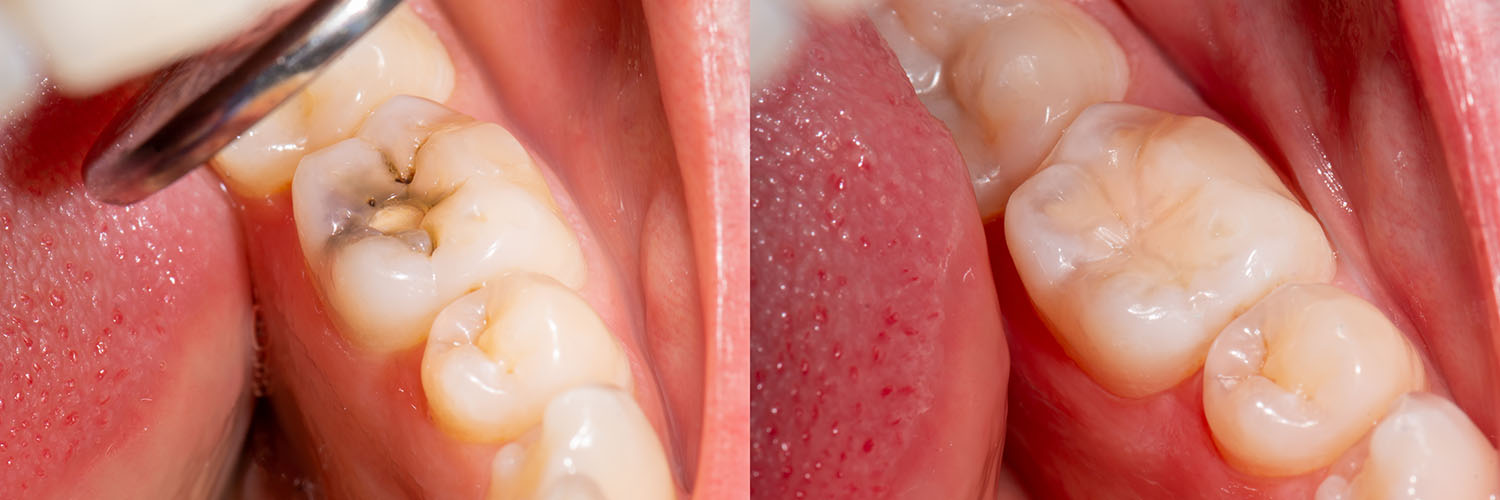
A careful diagnosis begins with a visual exam, digital X-rays when indicated, and a conversation about symptoms. Not all decay is painful at first, so routine exams are essential to spot problems early when repairs can be small and conservative. We prioritize treatments that address the underlying cause while restoring the tooth’s form and function.
When a filling is recommended, treatment typically proceeds in one appointment. The area is isolated, any decay and compromised tissue are removed, and the cavity is prepared for the chosen material. Today’s protocols emphasize cleanliness and precise bonding to maximize longevity.
Local anesthesia is routinely used for patient comfort, and many patients experience little to no discomfort during a filling. For those who feel anxious about dental visits, we can discuss sedation dentistry options to ensure a relaxed, controlled experience.
After a filling, it’s normal to notice subtle differences in the repaired tooth for a short time. Sensitivity to temperature or pressure often resolves within days to weeks as the tooth adjusts. We provide specific aftercare guidance tailored to the material used and the extent of the repair.
While the restoration sets and your mouth returns to normal sensation, protect numb lips and tongue and avoid chewing hard foods on the treated side until any temporary weakness or numbness subsides. For direct restorations, normal eating typically resumes soon after the appointment once anesthesia wears off.
Proper daily hygiene — brushing twice with a fluoride toothpaste and flossing once daily — plus regular professional checkups will extend the life of any filling. During examinations, your clinician will evaluate the margins and surface condition of restorations and recommend maintenance or replacement only when clinically necessary.
Protecting numb tissues
After anesthesia, avoid biting or chewing until normal feeling returns to prevent accidental injury to lips, cheeks, or tongue.
Adjusting to a new bite
If your bite feels uneven after a filling, it can often be smoothed in a brief follow-up visit. Tiny adjustments help ensure comfort and even wear.
Short-term sensitivity
Mild sensitivity to hot, cold, or pressure is common and usually resolves. If sensitivity persists or intensifies, please contact our office for evaluation.
Long-term care
Fillings can last many years with proper care, but they are not permanent. Ongoing preventive care and timely professional maintenance help protect your investment and overall oral health.
We encourage you to reach out with any questions about the care you received or to schedule a follow-up if anything feels unusual after treatment.
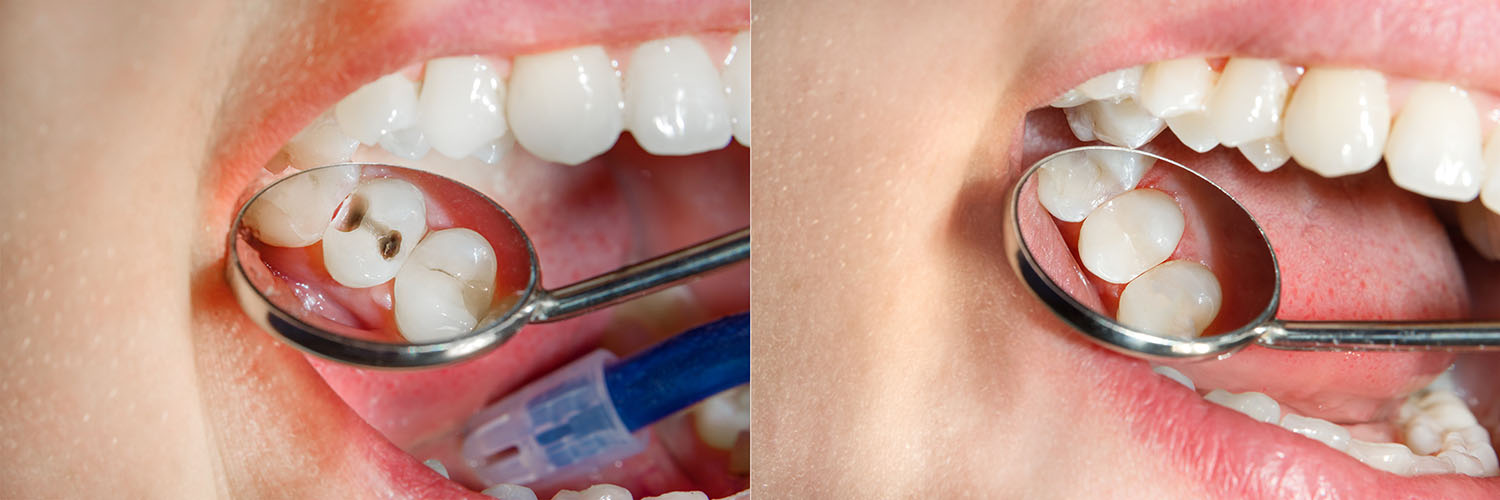
Dental fillings remain one of the most effective and versatile ways to restore teeth that have been compromised by decay or minor damage. With modern materials and conservative techniques, restorations can be strong, long-lasting, and visually unobtrusive.
If you have questions about whether a filling is the right solution for a specific tooth or would like to discuss options for repair and prevention, please contact us for more information. Our team is happy to explain your choices and help you keep your smile healthy and comfortable.
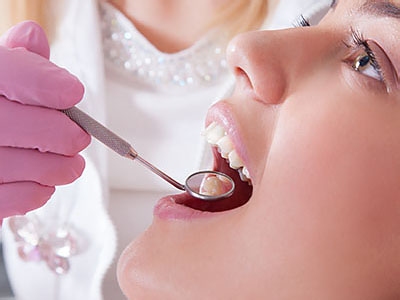

Dental fillings repair teeth that have been weakened by decay or small fractures and restore normal chewing function. A properly placed filling seals the cavity, reinforces remaining tooth structure, and helps prevent bacteria from entering the treated area. Modern techniques emphasize conserving healthy enamel and dentin so the repair integrates with the natural tooth.
Today’s restorations are designed to match the tooth’s shape and shade while providing durable performance under daily use. Bonding systems and contemporary materials distribute bite forces and reduce the risk of future cracks. Patient education and preventive care help prolong the life of the restoration.
Common restorative materials include tooth-colored composite resin, durable amalgam, fluoride-releasing glass ionomer, ceramic inlays or onlays, and gold alloy restorations. Each material has different strengths: composites offer excellent esthetics and conservative bonding, amalgam provides resilience in high-stress areas, and ceramics or gold are used for larger indirect restorations requiring long-term wear resistance. Glass ionomer can be useful where fluoride release or chemical bonding is desirable, especially in pediatric or transitional cases.
Material choice depends on factors such as cavity size, location in the mouth, chewing forces, and cosmetic priorities. Your clinician will weigh biocompatibility, longevity, and appearance when recommending a solution. Clear explanations help patients understand why a particular material best suits their needs.
Diagnosis typically begins with a visual exam and may include digital X-rays when indicated to detect decay between teeth or under existing restorations. The clinician will review symptoms, examine the tooth, and discuss treatment options so you can make an informed decision about repair. Early detection at routine checkups allows for smaller, more conservative restorations.
When a filling is recommended, the procedure usually takes place in a single appointment with isolation of the tooth, removal of decay, and careful preparation for the selected material. Local anesthesia is commonly used to ensure patient comfort, followed by bonding, placement, and polishing of the restoration. A brief adjustment visit may be scheduled if the bite feels uneven after treatment.
Most patients experience little to no pain during a filling because local anesthesia numbs the treated area before work begins. The team takes steps to minimize discomfort and to explain each stage of the procedure so patients feel comfortable and informed. For patients who are anxious, sedation options can be discussed to create a calmer experience.
After the appointment, mild sensitivity to temperature or pressure is common and usually resolves over days to weeks as the tooth adjusts. If sensitivity persists, intensifies, or if there are signs of a bite problem, contact the office for evaluation. Prompt follow-up helps address issues early and protects the restoration.
Fillings can last many years but are not considered permanent; their lifespan depends on material, size of the restoration, location in the mouth, and the patient’s oral habits. Chewing forces, bruxism, diet, and oral hygiene play significant roles in how long a filling performs optimally. Regular dental examinations allow clinicians to monitor wear, margins, and any changes that suggest repair or replacement.
Maintaining good home care, including brushing twice daily with fluoride toothpaste and daily flossing, helps extend the life of restorations. Avoiding hard or sticky foods and addressing clenching or grinding can reduce stress on repaired teeth. When a restoration shows deterioration or recurrent decay, your dentist will recommend the appropriate next step based on clinical findings.
Fillings are ideal for small to moderate defects, but when a tooth has extensive decay, large structural loss, or a fracture that compromises strength, an indirect restoration such as an inlay, onlay, or crown may be recommended. Teeth that have undergone root canal therapy or that lack sufficient remaining enamel and dentin often benefit from full coverage to restore function and protect against further damage. Indirect restorations are fabricated outside the mouth for precise fit and enhanced durability.
The decision between a filling and an indirect restoration is based on the amount of healthy tooth to preserve, occlusal demands, and aesthetic considerations. Your clinician will explain why a particular approach is likely to offer the best long-term outcome. Choosing the appropriate restoration early can prevent more extensive treatment later.
Composite resins bond to tooth structure and can be shaded to match surrounding teeth, allowing for more conservative preparation and better esthetic results. Amalgam remains a strong, time-tested option for posterior teeth that endure heavy chewing forces and situations where moisture control is difficult during placement. Each material has advantages and tradeoffs related to wear resistance, longevity, and appearance.
Composites may show surface wear or staining over many years, while amalgam is more forgiving under extreme stress but does not blend with tooth color. The best choice depends on the tooth’s function, the size of the defect, and the patient’s priorities. Your dentist will discuss the expected performance of each option so you can make an informed decision.
After a filling, protect numb lips and tongue until sensation returns to avoid accidental bites, and avoid chewing hard foods on the treated side until any temporary weakness subsides. Normal eating generally resumes once anesthesia wears off, but take care with hot or crunchy items for a short period. If your bite feels uneven, a quick follow-up adjustment can usually resolve the issue.
Maintain routine oral hygiene by brushing twice daily with fluoride toothpaste and flossing daily to keep the restoration and surrounding tooth clean. Monitor the treated tooth for persistent sensitivity, sharp pain, or visible changes, and contact the office if you notice concerning symptoms. Regular dental checkups allow your clinician to evaluate restoration margins and recommend maintenance only when clinically needed.
Warning signs that a filling may be failing include persistent or worsening sensitivity to hot or cold, sharp pain when biting, a noticeable change in your bite, or visible cracks and rough edges on the restoration. Recurrent decay at the margin of a filling can also cause symptoms or discoloration around the repair. Sometimes a filling may become loose or fractured, creating discomfort or trapping food and bacteria.
If you experience any of these issues, schedule an evaluation so the problem can be diagnosed and managed before it progresses. Early intervention often allows for a conservative repair rather than a more extensive procedure. Contact Jolly Family Dental - Benton to arrange an assessment if anything feels unusual after treatment.
Preventing future cavities starts with consistent home care: brush twice daily with a fluoride toothpaste, floss daily, and limit frequent snacking on sugary or acidic foods and beverages. Regular professional cleanings and routine exams help remove plaque buildup and detect early signs of decay when treatment can be minimal and conservative. Discussing sealants or topical fluoride with your dentist can provide additional protection for vulnerable teeth.
Addressing risk factors such as dry mouth, acid reflux, or grinding can also reduce decay risk and protect restorations over time. Personalized preventive recommendations from your dental team help you adopt habits and interventions that suit your oral health profile. Talk with your dental provider about a tailored prevention plan and any concerns you have about maintaining strong, healthy teeth at future visits with Jolly Family Dental - Benton.

Have Questions or Need an Appointment?
We’re here to help! Whether you want to schedule a visit, ask about services, or just learn more about your dental care options, our team is ready to assist. Click below to contact us and take the next step toward a healthier, brighter smile.
We value every patient and strive to make reaching us easy and convenient. From answering your questions to guiding you through insurance and scheduling, our friendly staff is committed to providing a seamless experience. Let’s work together to keep your smile healthy and confident—get in touch today!