At the office of Jolly Family Dental - Benton, we believe prevention is the clearest path to lasting oral health. Regular oral exams let our team detect early signs of trouble, reinforce healthy habits, and design care plans that keep small issues from becoming major ones. During these visits we combine a careful clinical inspection with targeted screening — including oral cancer checks and periodontal assessments — plus age-appropriate guidance on hygiene, nutrition, and daily care routines.
Your first appointment establishes a baseline for future care and gives our clinicians a complete picture of your oral health. We begin by reviewing your medical and dental histories and asking about any symptoms, concerns, or past treatments that might influence your care. That conversation helps us tailor the exam to your needs and priorities.
The clinical portion of the visit includes an inspection of your teeth, gums, tongue, and other soft tissues as well as an evaluation of bite and jaw function. We screen for signs of gum disease, tooth decay, unusual wear patterns from grinding or clenching, and any lesions or abnormalities that warrant closer attention. If you have soreness or clicking in the jaw, we’ll assess TMJ function as part of the exam.
When appropriate, we recommend diagnostic images to see structures beneath the surface. Digital x-rays reveal the condition of roots, bone levels, and developing problems that aren’t visible during a visual exam. After the evaluation, we’ll review our findings with you and explain any recommended next steps in plain language so you can make informed choices about your care.

Your mouth is not isolated from the rest of your body; it’s an important window into systemic health. During an oral exam we look for signs that may indicate broader medical issues — persistent dry mouth, unusual oral lesions, or severe gum inflammation can sometimes point to underlying conditions that deserve a medical evaluation. Noticing these signs early helps both dental and medical providers coordinate care when needed.
Research continues to highlight links between oral disease and conditions such as respiratory problems, cardiovascular disease, diabetes, and digestive disorders. While a dental exam cannot diagnose these illnesses, detecting oral inflammation, infection, or other abnormalities can prompt timely conversations with your physician and prevent complications from going unnoticed.
Likewise, medications, autoimmune conditions, and hormonal changes can produce oral symptoms. When we perform a comprehensive exam, we consider how your overall health, lifestyle, and medication profile may be affecting your mouth — and we provide practical steps you can take to protect your oral and general well-being.
For parents, monitoring oral health in children also provides insight into growth and development. Early exams allow us to detect enamel concerns, bite development issues, or habits that could influence long-term health, enabling guidance that supports healthy habits from a young age.
Routine exams and professional cleanings are the cornerstones of preventive dentistry. Even with diligent at-home brushing and flossing, plaque and tartar can accumulate in hard-to-reach areas; hygienists remove these deposits and polish teeth to reduce bacterial load, freshen breath, and help prevent cavities and gum disease. Regular maintenance keeps small risks from progressing into more complex problems.
Checkup visits are also our chance to monitor changes over time. We compare current findings with previous exams and diagnostic images so we can spot subtle shifts in tooth structure, gum health, or oral habits. Early detection often means less invasive, more predictable treatment when an issue does arise.
Education is a key part of each appointment. We’ll review effective brushing and interdental cleaning techniques, suggest fluoride or sealants when appropriate, and discuss dietary factors that affect oral health. Our goal is to equip you with practical tools that make daily care more effective and sustainable.
Because dental needs evolve, we encourage families to keep regular appointments tailored to their situation. Children, adults, and older patients have different risk profiles, and we adjust preventive strategies accordingly so every member of your household receives the most appropriate care.

Dental x-rays are an essential complement to the visual exam because they reveal structures under the surface — the roots of teeth, the condition of supporting bone, and areas of decay or infection that aren’t yet visible. Modern digital radiography reduces exposure to radiation and produces sharp images we can review together in real time.
Digital images are available immediately, which speeds diagnosis and helps us explain findings to you. Because they can be stored electronically, we can track changes across visits and share images with specialists when collaborative care is needed. The clarity and speed of digital radiography support more precise treatment planning and better outcomes.
Beyond conventional two-dimensional imaging, three-dimensional scans such as cone-beam computed tomography (CBCT) may be recommended for complex cases that require detailed views of bone and anatomy. These technologies are used selectively to aid in surgical planning, implant placement, and other procedures that benefit from a more complete anatomical picture.
Benefits of digital radiography include reduced radiation exposure, immediate image access, improved diagnostic detail, and the ability to archive images in your electronic record for ongoing comparison and review.
Quicker with minimal exposure to x-ray radiation
Images can be viewed immediately after acquisition
Images can be electronically shared
Digital radiographs do not require any developing chemicals, create less waste, and are safer for the environment
Images are immediately stored in the patient's electronic file, where they can be easily viewed on a screen, shared, or printed out.
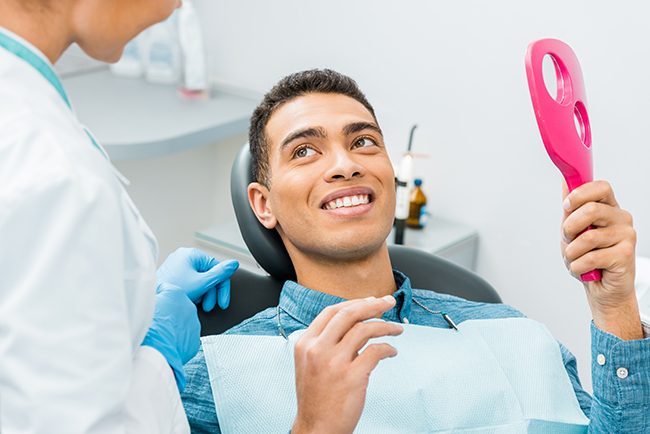
The specific x-rays we recommend depend on your symptoms, age, and the clinical questions we need to answer. Different images show different parts of the mouth and jaw, and selecting the right view helps us identify concerns with greater accuracy while minimizing unnecessary exposure.
Periapical x-ray - Focused on a single tooth, this image shows the entire tooth from crown to root and allows us to evaluate root health and periapical tissues. It’s commonly used when infection or trauma is suspected.
Bitewing x-ray - These views capture the crowns of adjacent teeth and are especially useful for detecting early decay between teeth and monitoring bone levels in the back of the mouth.
Full Mouth Series - A collection of bitewing and periapical images that together provide a comprehensive view of all teeth and surrounding structures, useful for baseline assessments and thorough evaluations.
Panoramic Film (panorex) - Shows a broad, two-dimensional sweep of the jaws, teeth, and surrounding anatomy, helpful for assessing impacted teeth, evaluating jawbone, and planning some surgical procedures.
Cephalometric Film - Provides a profile view of the facial bones and jaws, often used in orthodontic planning to evaluate skeletal relationships and growth patterns.
When a more detailed, three-dimensional view is warranted, we may recommend CBCT imaging. That technology provides volumetric detail used in complex diagnostics and treatment planning, particularly for implant placement and certain surgical procedures. We will always discuss the purpose and benefits of any recommended imaging so you understand how it contributes to safer, more predictable care.
At Jolly Family Dental - Benton, our approach to oral exams is simple: thorough, evidence-informed, and centered on your comfort and long-term health. If you’d like to learn more about what an oral exam involves or to discuss how we tailor preventive care to your needs, please contact us for more information.
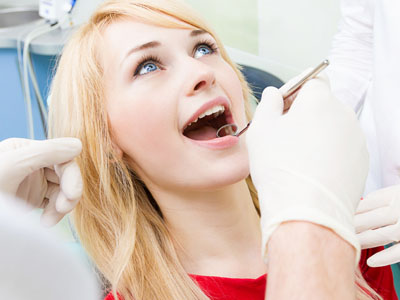

During your first oral exam the team gathers a detailed medical and dental history, asks about symptoms or concerns, and documents previous treatments to establish a baseline for future care. The clinical inspection includes a review of teeth, gums, tongue, and other soft tissues, an assessment of bite and jaw function, and screening for signs of decay, gum disease, or abnormal wear. When indicated, we include an oral cancer screen and TMJ evaluation to address soreness, clicking, or other functional issues.
Diagnostic imaging such as digital x-rays may be recommended to view roots, bone levels, and developing problems that are not visible on a visual exam. After completing the assessment we review findings with you in clear, jargon-free language and outline any recommended next steps or preventive measures. The goal is to create a personalized plan that prioritizes early detection and long-term oral health.
Many patients benefit from oral exams every six months because this frequency allows hygienists and clinicians to remove built-up plaque and tartar and to monitor changes over time. Your individual schedule may vary based on factors such as your gum health, decay risk, medical conditions, and medication use, and we tailor recall intervals to match those needs. People with a history of periodontal disease, uncontrolled diabetes, or frequent cavities may require more frequent visits.
During each recall visit we compare current findings with prior exams and images to spot subtle shifts in tooth structure, gum levels, or oral habits. Regular monitoring often enables more conservative, predictable treatment should a problem arise. We also use these appointments to reinforce home-care routines and to recommend preventive options like fluoride or sealants when appropriate.
Oral exams screen for a range of common and potentially serious issues, including tooth decay, periodontal (gum) disease, abnormal wear from grinding or clenching, and soft-tissue lesions that could indicate oral cancer or other pathology. Clinicians also check for signs of infection, failing restorations, and developmental concerns in younger patients. Bite and jaw function are evaluated to identify TMJ disorders and patterns that might contribute to pain or broken teeth.
We consider how medications, autoimmune conditions, and hormonal changes may manifest in the mouth and document findings that warrant medical follow-up. When needed, we recommend targeted diagnostic images or referrals to specialists to clarify a diagnosis. Early detection through routine screening improves the chances of simpler, more effective treatments and reduces the risk of complications.
Professional cleanings remove plaque and hardened tartar from areas that are difficult to reach with routine home care, lowering the bacterial load that contributes to cavities and gum disease. Hygienists polish teeth, evaluate gum pocket depths, and provide an additional layer of inspection that complements the dentist's exam. Combined, the cleaning and exam allow the team to detect and address early problems before they progress.
Cleanings are also an opportunity for personalized education on brushing, interdental cleaning, and lifestyle factors that affect oral health. We may suggest fluoride treatments, sealants, or adjustments to home routines based on exam findings and risk level. Consistent maintenance visits help preserve restorations and support long-term oral function and comfort.
Digital radiography provides a clearer, faster view of structures beneath the surface, including tooth roots, jawbone, and areas of decay that are not visible during a visual exam. These images are available immediately, which helps speed diagnosis and allows the clinician to review findings with you in real time. Because digital sensors require less radiation than traditional film, they are a safer option for most patients.
Digital images are stored in your electronic record so clinicians can compare them across visits and track changes over time. When more detailed information is necessary, three-dimensional imaging such as CBCT may be recommended for complex cases like implant planning or difficult diagnostics. We always explain the purpose and benefits of any recommended imaging so you understand how it supports accurate, predictable care.
The mouth often reflects systemic health; findings such as persistent dry mouth, severe gum inflammation, unusual oral lesions, or recurrent infections can signal conditions that require medical evaluation. Research shows associations between oral inflammation and broader health concerns like cardiovascular disease, diabetes, and respiratory conditions, making dental screening an important part of holistic care. While a dental exam does not diagnose systemic disease, it can prompt timely conversations and referrals to medical providers when warranted.
Clinicians also review medications, autoimmune conditions, and hormonal changes that may impact oral tissues and salivary function. By considering your overall health and lifestyle during the exam, we can recommend practical steps to protect both oral and general well-being. Coordination between dental and medical teams improves outcomes when oral signs point to broader health issues.
Children’s oral exams focus on development, hygiene, and early detection of enamel concerns or bite issues that could affect long-term oral health. We assess tooth eruption patterns, occlusion (bite), and habits such as thumb-sucking or prolonged pacifier use that may influence growth. Early exams also provide an opportunity to discuss age-appropriate home care, fluoride use, and dietary guidance to reduce the risk of decay.
When concerns about alignment or crowding arise, we discuss timing for orthodontic evaluation and preventive options that may simplify future treatment. We tailor preventive strategies to each child’s risk profile, which can include sealants or more frequent recalls for high-risk patients. Establishing positive experiences early helps children maintain consistent, lifelong oral care habits.
Three-dimensional imaging like cone-beam computed tomography (CBCT) is recommended selectively when a detailed view of bone, tooth roots, or complex anatomy is necessary for diagnosis or treatment planning. Typical indications include implant placement, evaluation of impacted teeth, assessment of difficult pathology, or surgical planning where precise anatomical detail improves safety and outcomes. CBCT offers volumetric information that cannot be captured by conventional two-dimensional films.
We consider the clinical question, patient history, and potential benefits before recommending CBCT and explain how the additional detail will influence treatment choices. Because CBCT involves higher radiation than standard digital x-rays, we reserve its use for cases where the diagnostic advantage outweighs the exposure. When advanced imaging is advised, we discuss alternatives and answer questions so you can make an informed decision.
Preparation is straightforward: bring a list of current medications, any recent medical updates, and a brief overview of dental history or recent symptoms you want to discuss. Arrive with your usual oral hygiene completed so the clinician can see your typical condition, and be prepared to describe changes in sensitivity, pain, or function. If you have previous x-rays or records from another dentist, bringing them can help with a comprehensive evaluation.
Prepare questions about preventive strategies, home care techniques, or concerns you have about restorations or bite issues so the team can address them during the visit. Clear communication about your goals and any anxieties helps clinicians tailor the appointment to your needs and comfort. After the exam you will receive a plain-language summary of findings and recommendations to guide next steps.
At Jolly Family Dental - Benton we personalize preventive care by considering each patient’s risk factors, medical history, and lifestyle when recommending recall intervals, home-care strategies, and preventive therapies. This individualized approach ensures children, adults, and older patients receive care that matches their unique needs and supports long-term oral health. We use diagnostic images and comparative exams to monitor changes and adapt treatment plans over time.
Follow-up recommendations may include more frequent hygiene visits, targeted fluoride or sealants, behavioral guidance, or referrals to specialists when appropriate. We make an effort to explain findings in understandable terms and to involve you in decision-making so that preventive measures are practical and sustainable. Our goal is to keep small issues from becoming major problems through timely, evidence-informed care.

Have Questions or Need an Appointment?
We’re here to help! Whether you want to schedule a visit, ask about services, or just learn more about your dental care options, our team is ready to assist. Click below to contact us and take the next step toward a healthier, brighter smile.
We value every patient and strive to make reaching us easy and convenient. From answering your questions to guiding you through insurance and scheduling, our friendly staff is committed to providing a seamless experience. Let’s work together to keep your smile healthy and confident—get in touch today!